 stanposs@attictofoundation.net
 (770) 601-6799
A home should always be a place of comfort, protection, and peace of mind, and taking proactive steps to keep your home safe makes that possible. Many homeowners assume safety upgrades require major expense or effort, but in reality, small and consistent improvements go a long way. By understanding potential risks and addressing them early, you can protect your investment, deter intruders, and create a genuinely secure environment for everyone inside.
What It Really Takes to Keep Your Home Safe
Effective home safety is the result of consistent awareness, routine maintenance, and layered protection that covers multiple potential vulnerabilities. The most secure homes aren’t necessarily the ones with the most expensive systems; they’re the ones where the basics are done well and maintained consistently over time.
Strengthen Entry Points and Improve Lighting
Doors and windows are the most common entry points for intruders, making them the first place to focus when working to keep your home safe. Exterior doors should be solid core and equipped with high-quality deadbolt locks. Windows need reliable locking mechanisms, and vulnerable areas such as sliding doors and basement windows benefit from additional reinforcement. Lighting works hand in hand with physical security. A well-lit exterior reduces hiding spots, improves visibility, and signals to potential intruders that the property is monitored and occupied. Motion-sensor lights at entryways, driveways, and side yards are particularly effective because they activate suddenly and draw attention to movement. Inside the home, good lighting also prevents the trips and falls that are among the most common household accidents.
Keep Your Home Safe From Fire Hazards and Environmental Risks
Fire safety is a critical and often underestimated component of keeping your home safe. Smoke detectors should be installed in every bedroom, hallway, and on every level of the home. A fire extinguisher in the kitchen and any other high-risk area is a straightforward addition that most homes still lack. Avoiding overloaded electrical outlets, keeping flammable materials away from heat sources, and never leaving cooking unattended are habits that cost nothing but significantly reduce fire risk. Environmental factors are equally important. Water damage, mold, and poor drainage quietly compromise a home’s safety and structural integrity over time. Ensuring proper ventilation, monitoring humidity levels, maintaining gutters and drainage systems, and addressing leaks promptly all prevent the kind of long-term damage that starts small and grows into expensive, disruptive problems.
Use Technology to Keep Your Home Safe and Monitored
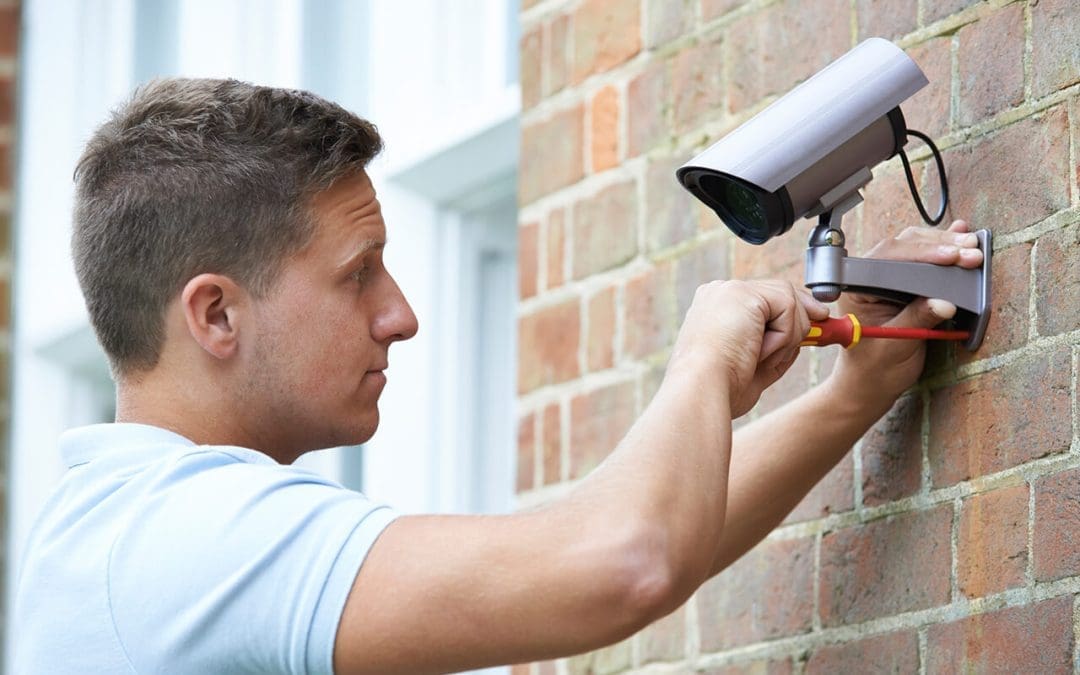
Smart home technology has made security more accessible and more effective than ever. Video doorbells, smart locks, motion-activated cameras, and alarm systems give homeowners real-time visibility into what’s happening around the property. These tools don’t just respond to threats; their visible presence deters them. A property with visible cameras and alarm signage is significantly less likely to be targeted than one without. Mobile app integration means you can check in on your home, lock a door you left open, or receive an instant alert the moment motion is detected, all from your phone. For homeowners who travel frequently or simply want greater peace of mind, smart security systems are one of the most practical investments available.
Regular Maintenance and Emergency Preparedness
Routine maintenance plays a larger role in home safety than most homeowners realize. Loose railings, damaged walkways, faulty wiring, deteriorating roofing, and worn weatherstripping are all hazards that develop gradually and are easy to overlook until they cause a problem. Building a consistent maintenance routine, seasonal walkthroughs, annual system checks, and prompt attention to anything that needs repair keeps these risks from accumulating.
Emergency preparedness rounds out a complete home safety strategy. Every household should have a clear plan for fires, severe weather, and power outages. Practicing these plans with everyone in the household ensures that if something does go wrong, the response is calm, coordinated, and effective. Keeping your home safe doesn’t have to be complicated. With the right combination of physical security, smart technology, consistent maintenance, and emergency readiness, any homeowner can build a living environment that’s genuinely secure and confidently protected.
Frequently Asked Questions (FAQs)
What are the most effective ways to keep your home safe?
A layered approach works best, combining strong locks and reinforced entry points, motion-activated lighting, a visible security system, working smoke detectors, and consistent maintenance habits.
How often should home safety systems be checked?
Smoke detectors should be tested monthly and have batteries replaced annually. Security systems and cameras should be checked every few months to confirm everything is functioning correctly. A broader home safety walkthrough twice a year helps catch developing hazards before they become serious.
Is smart home technology worth it for home safety?
For most homeowners, yes. Video doorbells and smart security systems provide real-time monitoring and act as powerful deterrents. Many systems are now affordable and DIY-friendly, making them accessible for a wide range of budgets.
How can I protect my home from fire hazards?
Install smoke detectors on every level and in every bedroom, test them monthly, keep a fire extinguisher accessible, avoid overloaded outlets, and never leave cooking or heat-generating appliances unattended.
Why does regular maintenance matter for home safety?
Deferred maintenance creates hazards, loose railings, worn wiring, damaged roofing, and deteriorating structural components all become safety risks over time.
Attic to Foundation provides home inspection services to the greater Atlanta area. Contact us to request an inspection.