 stanposs@attictofoundation.net
 (770) 601-6799
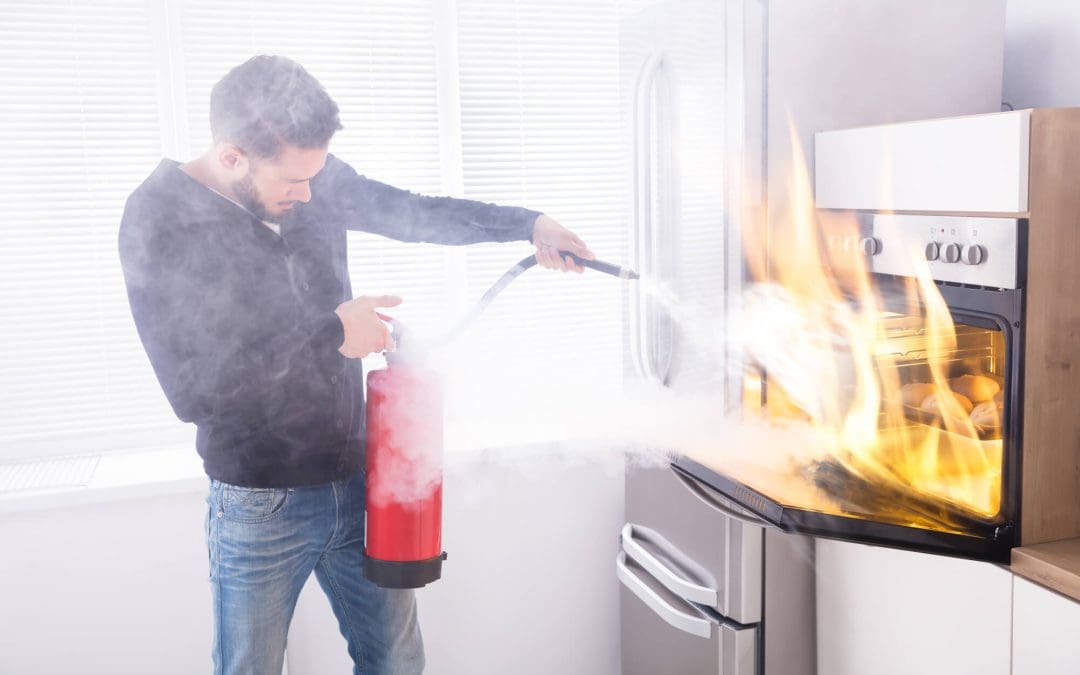
Fire safety is one of the most important yet often overlooked aspects of homeownership. A house should be a place of comfort and security, but without proper precautions, it can quickly become vulnerable to fire hazards. From electrical faults to unattended cooking, many everyday activities carry risks. Understanding fire safety and taking proactive steps may dramatically reduce the likelihood of a fire and help protect lives, property, and peace of mind. Modern homes are filled with appliances, wiring systems, and heating sources that make life convenient, but they also introduce potential dangers. Practicing fire safety is about preparation and awareness.
Common Fire Hazards
Most house fires start from preventable causes. Cooking accidents are among the leading causes, especially when food is left unattended on the stove. Faulty wiring, overloaded power outlets, and the use of damaged appliances also significantly increase fire risks. Candles, heaters, and smoking indoors can create dangerous situations if not handled responsibly. Fire safety awareness begins with recognizing these risks. Simple habits, such as turning off appliances when not in use and avoiding overloading circuits, go a long way. Keeping flammable materials away from heat sources is another key practice.
Safety Equipment Every Home Needs
Having the right equipment in place is a cornerstone of fire safety. Smoke alarms are essential and should be installed in key areas such as bedrooms, hallways, and kitchens. These devices provide early warnings that save lives. Regular testing ensures they remain functional when needed most. Fire extinguishers are another critical tool. Keeping at least one on each level of the home, especially near the kitchen, allows for quick response in case of small fires. It is equally important to understand how to use them correctly. Fire safety also includes maintaining clear escape routes. Doors and windows should open easily, and pathways should remain unobstructed. Emergency lighting or backup power sources can help guide exits during a nighttime fire or power outage.
Creating a Fire Safety Plan for Your Household
Every home should have a clear and practiced fire safety plan. This plan outlines how occupants will respond in the event of a fire. It includes identifying all possible exits, designating a safe meeting point outside, and ensuring everyone understands their role. Practice is key. Conducting regular fire drills helps reinforce the plan and ensures that everyone, including children, knows what to do under pressure. Timing these drills also help identify areas for improvement. Safety planning should also consider special needs, such as assisting elderly family members or pets. The goal is to ensure that everyone can evacuate quickly and safely.
Kitchen and Electrical Fire Safety Tips
The kitchen is often the heart of the home, but it is also a high-risk area. Never leave cooking unattended, especially when using high heat. Keeping a lid nearby can help smother small grease fires safely. Electrical safety is equally important. Regularly inspect cords and outlets for signs of damage. Avoid using extension cords as permanent solutions and ensure that major appliances are plugged directly into wall outlets. Preventive measures reduce risks and create a safer living environment.
Seasonal Safety Considerations
Safety needs may change with the seasons. In colder months, heating equipment such as space heaters and fireplaces becomes more common. These should always be used with caution, keeping flammable items at a safe distance. During festivals or celebrations, the use of candles, decorative lighting, and fireworks increases fire risks. Practicing safety during these times means staying vigilant and supervising any open flames or electrical decorations. Summer months could also pose risks, especially with outdoor grilling. Keeping grills away from the house and never leaving them unattended is essential.
Maintaining Fire Safety Year-Round
Consistency is the key to effective fire safety. Regular maintenance of appliances, checking smoke alarms, and reviewing emergency plans should become routine tasks. Fire safety is not a one-time effort but an ongoing commitment. Homeowners who stay proactive are far better equipped to prevent fires and respond effectively if one occurs. Small, consistent actions can make a significant difference in overall safety.
Frequently Asked Questions (FAQs)
How often should smoke alarms be tested?
Smoke alarms should be tested at least once a month to ensure they are working properly. Batteries should be replaced at least once a year or as needed.
What is the safest way to put out a small kitchen fire?
For small grease fires, turn off the heat source and cover the pan with a lid to smother the flames. Never use water, as it can spread the fire.
How many fire extinguishers should a home have?
It is recommended to have at least one fire extinguisher on each level of the home, with an additional one in the kitchen.
What should be included in a fire safety plan?
A fire safety plan should include exit routes, a designated meeting point, emergency contacts, and assigned responsibilities for household members.
Are space heaters safe to use indoors?
Yes, but only when used properly. Keep them at least three feet away from flammable materials and never leave them unattended.
Attic to Foundation provides home inspection services to the greater Atlanta area. Contact us to request an inspection.