 stanposs@attictofoundation.net
 (770) 601-6799
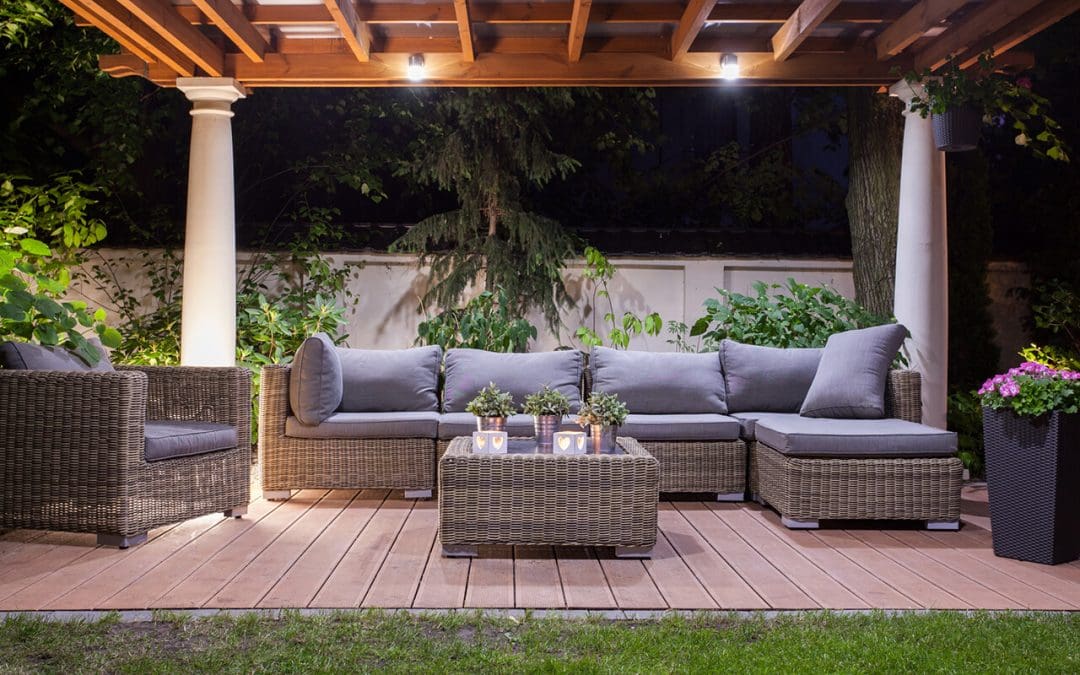
A relaxing patio completely transforms how a home feels. Instead of being just an outdoor area, it becomes a place to unwind after a long day, enjoy morning coffee, host friends, or simply spend time outside. With thoughtful design choices, comfortable seating, calming décor, and the right atmosphere, nearly any outdoor space can become a peaceful extension of the home. Even small improvements, like softer lighting, cozy furniture, or greenery, can dramatically improve comfort and ambiance. The goal is to design a space that encourages relaxation while still fitting naturally with the rest of the home.
Start with a Comfortable Foundation for Your Relaxing Patio
The first step in designing a relaxing patio is focusing on comfort. Outdoor furniture should invite people to sit down and stay awhile. Deep-seating sofas, cushioned lounge chairs, and weather-resistant sectionals help create a living-room feel outside. Material choices play a major role in long-term comfort. Weather-resistant fabrics, treated wood, powder-coated metal, and durable wicker hold up well to outdoor conditions while still looking inviting. Adding outdoor rugs defines the seating area and makes the patio feel warmer and more cohesive. The layout should encourage conversation and relaxation. Seating that faces inward naturally creates a more welcoming and intimate environment. If space allows, including a small coffee table or side tables makes it easier to place drinks, books, or décor items within reach.
Use Lighting to Set the Mood
Lighting has a huge impact on how relaxing a patio feels, especially in the evening. Harsh lighting could make an outdoor space feel sterile, while soft lighting creates warmth and comfort. String lights are one of the easiest ways to add charm and ambiance. Draped overhead, they create a cozy glow that instantly makes a patio feel more inviting. Lanterns, solar pathway lights, and LED candles add additional layers of soft light. Wall-mounted lights or subtle landscape lighting can also highlight plants, architectural features, or seating areas. The key is creating a gentle, layered lighting effect that feels calm rather than overly bright.
Add Plants to Enhance Your Relaxing Patio
Greenery plays a powerful role in making an outdoor space feel peaceful. Plants help soften hard surfaces and introduce natural beauty that enhances the relaxing atmosphere. Potted plants are a flexible option because they can be rearranged or replaced easily. Mixing tall plants, hanging baskets, and smaller table plants adds depth and variety to the patio design. For homeowners who prefer low maintenance, hardy plants like ferns, succulents, and ornamental grasses work well in many climates. Planters can also help create natural privacy barriers. Taller plants or vertical gardens subtly separate the patio from neighboring properties while maintaining a pleasant, open feel.
Incorporate Calming Design Elements
Beyond furniture and plants, small decorative touches will help reinforce the relaxing feel of the patio. Outdoor throw pillows, cozy blankets, and textured cushions make seating more comfortable and visually appealing. Water features can be especially calming. The gentle sound of flowing water from a small fountain reduces background noise and creates a tranquil environment. Wind chimes, outdoor art, and natural materials like stone or wood also contribute to a soothing atmosphere. Color choices matter as well. Neutral tones, soft blues, greens, and earth tones tend to feel more calming than bold or overly bright colors. Keeping the palette consistent throughout the patio helps the space feel cohesive and intentional.
Make the Space Functional for Everyday Use
A relaxing patio works best when it fits naturally into daily life. That means designing it for how it will actually be used. Some homeowners may want a quiet reading space, while others might prefer an outdoor dining area for family meals. Shade is another important factor. Umbrellas, pergolas, or retractable awnings will make the patio comfortable even on warm days. In cooler months, patio heaters or fire pits extend the usability of the space. The most successful patios strike a balance between beauty and practicality. When furniture, layout, and features all support everyday comfort, the patio becomes a space people naturally gravitate toward.
Frequently Asked Questions (FAQs)
How big should a patio be for relaxation?
A relaxing patio works in nearly any size space. Even a small balcony or compact backyard patio can feel comfortable with the right furniture, lighting, and plants. The key is choosing appropriately sized furniture and avoiding overcrowding.
What furniture works best?
Comfortable seating is the most important element. Deep-seating sofas, cushioned chairs, and loungers are ideal. Weather-resistant materials and fabrics designed for outdoor use ensure the furniture remains durable and comfortable over time.
How can privacy be added to a patio?
Privacy can be created using tall plants, trellises, outdoor curtains, fencing, or decorative screens. These elements help define the space and create a more peaceful, secluded atmosphere.
What colors create the most relaxing atmosphere?
Soft, natural colors such as beige, gray, sage green, light blue, and warm earth tones tend to feel the most calming. These colors blend well with outdoor surroundings and promote a peaceful mood.
How can a patio feel cozy at night?
Layered lighting makes a big difference. String lights, lanterns, solar lights, and candles will create a warm glow that makes the patio feel comfortable and inviting after sunset.
Attic to Foundation provides home inspection services to the greater Atlanta area. Contact us to request an inspection.