 stanposs@attictofoundation.net
 (770) 601-6799

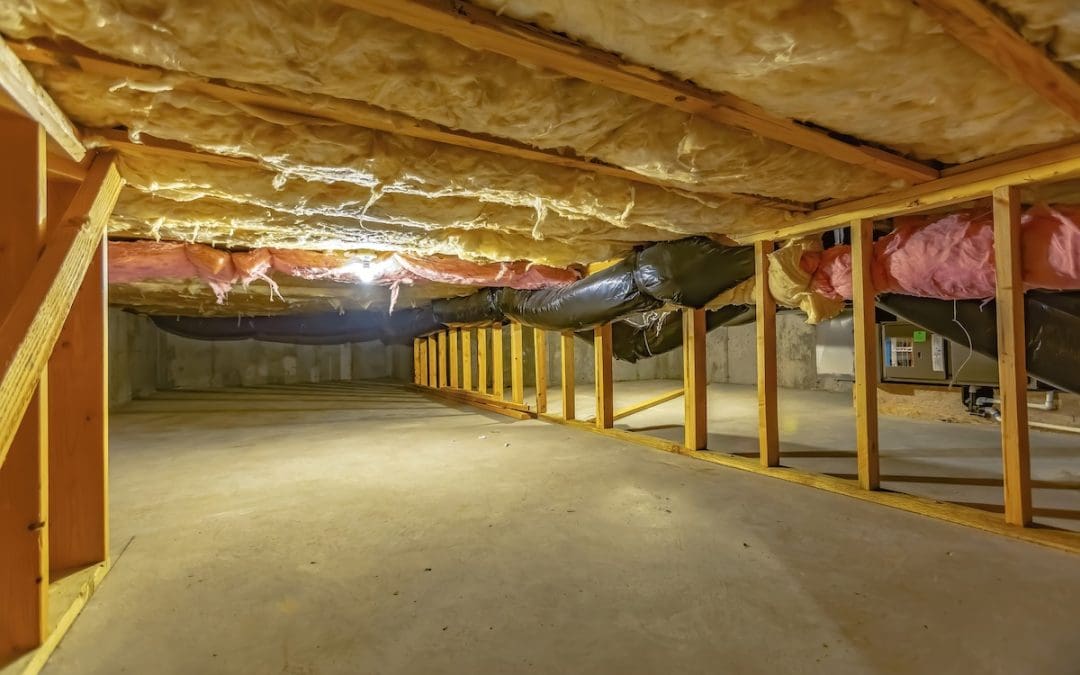
Walk around the outside of most Atlanta-area houses built before the 1990s, and you’ll spot a row of small vents near the ground. Behind them sits a crawl space, the shallow zone between the soil and the floor above, which most owners visit only when something goes wrong. That’s a shame, because what happens down there quietly shapes the rest of the house. Damp air drifts upward into living areas, wood framing could soften, and pests find a sheltered home. A few simple routines keep the area healthy, and this guide walks through them one at a time.
Make a Crawl Space Check Part of Your Seasonal Routine
Pick two dates each year and put them on the calendar. Dress for the job with long sleeves, gloves, knee pads, a respirator, and a headlamp, and bring a phone for photos. A pocket moisture meter is inexpensive and tells you far more than your nose can, because wood framing above about twenty percent moisture content is a warning sign. Look at the soil, the underside of the floor, the insulation, the ductwork, and the pipes, and note any stains, droppings, mold, or sagging material. Check the outside as well, since mulch or shrubs piled against the foundation vents can block airflow. If you see standing water near wiring, back out and call a professional.
Find Out Where the Water Comes From
Atlanta gets roughly fifty inches of rain a year, often in sudden summer downpours, and the region’s red clay drains slowly. That combination sends water straight toward foundations. Start outside. The ground should fall about six inches over the first ten feet away from the house, and downspouts should empty well beyond the walls. Watch for sprinkler heads that spray the foundation, hose bibs that drip, and air conditioner condensate lines that discharge underneath the house. Inside, look for plumbing leaks and a clothes dryer vented into the space. Fixing these sources comes first, because no product installed in the crawl space can keep up with a steady supply of water from above or beside it.
Venting or Sealing the Crawl Space: Which Makes Sense?
Older houses were built with foundation vents on the theory that moving air carries moisture away. In a Georgia summer, though, outdoor air is often warmer and wetter than the cool surfaces below the floor, and when it meets them, it condenses. That is why many builders and building scientists now favor sealing the space. A sealed design uses a thick polyethylene liner on the ground and up the walls, taped seams, closed vents, and a small dehumidifier or a touch of conditioned air to hold humidity under sixty percent. Sealing works best after drainage problems are corrected, and it should be done by a contractor who understands combustion air, local codes, and termite inspection access. Simply closing the vents on a wet space can make matters worse.
Look After Insulation, Ducts, and Pipes
Batt insulation between floor joists often slumps over the years, especially when it’s damp, and sagging insulation stops doing its job. Replace it with materials meant for humid conditions, or insulate the walls with rigid foam if you’ve sealed the space. Mend duct leaks with mastic or foil tape, since leaky ducts pull damp air into the system and waste cooling you’ve paid for. Look at water supply and drain lines for drips, rust, and sweating, and wrap exposed supply pipes before a cold snap. Seal gaps where pests can enter with metal mesh or foam rated for the job. Treat your crawl space as a mechanical zone rather than a storage closet, and keep wood scraps and cardboard out.
Frequently Asked Questions (FAQs)
How often should I check my crawl space?
Twice a year works well for most homes. Add an extra look after a major storm, a plumbing repair, or any time you notice a musty smell in the house.
What humidity level should I aim for?
Most guidance suggests keeping humidity below sixty percent, and many homeowners target the forties or fifties. A small digital hygrometer placed in the space shows you the number at a glance.
Is standing water always an emergency?
A little dampness after a heavy rain is common, but pooled water that lingers means the drainage needs attention. If it’s deep or near wiring, stay out and call a professional.
Can I store things down there?
Keep it minimal. If you must, use sealed plastic bins on a raised platform, and avoid cardboard, fabric, paint, and chemicals, which attract pests, hold moisture, or give off fumes.
How much does sealing a crawl space cost?
It varies with size, access, and existing damage. Get several written quotes and ask what’s included, such as drainage work, a dehumidifier, and a warranty, so you can compare them fairly.
Attic to Foundation provides home inspection services to the greater Atlanta area. Contact us to request an inspection.